
Klavier Gavin (![[personal profile]](https://www.dreamwidth.org/img/silk/identity/user.png) rocksthecourt) wrote2012-01-16 11:08 pm
rocksthecourt) wrote2012-01-16 11:08 pm
rocksthecourt) wrote2012-01-16 11:08 pm


Entry tags:
Canon References
[This is a compilation of Ace Attorney Laws, concepts, and general reference stuff. There will be things here from all games, including AAI2. There will be warnings when AAI2 details are included in a given section, but there will generally not be spoilers anywhere here. Facts involving any RL countries are based on info on the game and will mostly involve tidbits that do not exist in reality. Laws and statuettes and so on are also mostly fictional. Also, I'm selfish so many things will be focused on the prosecutor side, and there will probably be nothing defense related. This is a work in progress.]
---
LAWS AND LEGAL CONCEPTS
Federal Firearms Restrictions Act
Possessing firearms is no longer considered a constitutional right in America. In an attempt to control violent and gun-related crime, the FFRA makes it so the process for obtaining both firearms and a gun license is very strict. Technically, only members of law enforcement are automatically granted rights to gun possession. This would be why most murders in the game don't involve guns, and those that do either involve guns that belonged to police officers or were stated as having been illegally obtained.
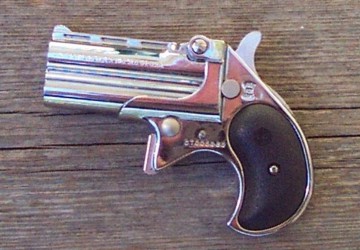
The law also restricts what kinds of guns are accessible to the public as well as who can carry what, even with regards to officers. The only character in the series who had a legally purchased gun was only in possession of a derringer, so normal people probably aren't allowed to carry anything more powerful than this. Standard police officers are issued a normal 9mm pistol. Detectives are issued .38 caliber revolvers. Detectives working within International Affairs carry .46 caliber revolvers.
3-Day-Trial System (aka Initial Trial System)
This new trial system was implemented sometime between 2013 and 2014 (according to AA1). Due to the massive backlog of court cases and the fact that more crimes were happening than they had time to process normally, this new system was created to process crimes immediately after they happened and complete the trial process within an extremely short amount of time. Trials are usually scheduled within a matter of days after the initial arrest. Defendants are given until the day before the trial to find representation, otherwise the court assigns one to them. Trials usually only last one day. The maximum amount of time a single trial can last is three days. If a verdict can't be reached by the third day or the defendant is found guilty, the defendant is taken into custody and held for a month until they can attend a trial in the High Court (as opposed to the District Court where Initial Trials take place). It's never specified how these High Court trials differ from Initial Trials, but basically a defendant's fate is determined within the Initial Trial.
Jurist System
The concept of a jurist system is considered something of days gone by. The reason it was abolished is unknown, though it probably has something to do with contributing to lengthy trial processes. It was probably discarded when the 3-Day-Trial System came into place. Instead of jurists, attorneys must work to convince the presiding judge of their stance, and the judge hands down his/her final decision. As of 2026, however, efforts have begun to create a new version of the jurist system, one that can still be utilized within the new speedy trial system. This new jurist system proposes the use of 6 random jurists (rather than the standard 12) who watch the trial from a video feed. They are also given computer access to all evidence involving the case to look over during deliberation. Jurists must come to a decision within several hours after closing statements. This, however, is all still within its experimental stage and is all subject to change.
Statuette of Limitations on Unsolved Cases
All cases where an arrest is not made or a defendant is found innocent and no new arrests are made are considered unsolved. These cases are open for up to fifteen years after the date of the incident. After fifteen years, the case is considered permanently closed and cannot be reopened or pursued. All evidence and reports involved are moved into permanent storage.
Statuette of Limitations on Solved Cases
All cases where a defendant is found guilty are considered solved. These cases are open to appeal and retrial for two years after the conviction, during which all related evidence is kept in a special storage room for potential access and reevaluation. After two years, however, the case is closed permanently and cannot be reopened or pursued. All evidence and reports involved are moved into permanent storage.
Double Jeopardy
Once a person has been found innocent of a crime, they can never be tried for or found guilty of that same crime again.
Evidence Transferal & Clean Up Day
Every February, the police department dedicates an entire day to transferring evidence that have reached their statuettes into permanent storage and evidence of solved crimes are delegated into their designated storage rooms. This is also the day prosecutors clean out their solved case reports for the year and submit them to the police department for filing.
Legally Dead
People are considered legally dead if they have gone missing for over seven years.
Capital Punishment & Other Sentences (details from AAI2)
Murder convictions are capital offenses by default. However, the appearance of a formerly convicted killer in AAI2 (Sahwit) gives rise to the possibility that not all those found guilty in homicide cases are executed. In AAI2, there are mentions of the man's sentence being shortened/extended, implying that he is only serving a certain amount of years. This may POSSIBLY have to do with a distinction between murder (killing someone with intent) and manslaughter (killing someone without intent). Sahwit's case is closer to manslaughter, as he only reacted and struck his victim but hadn't done so with the intent of killing her... just knocking her out. Thus, it may be possible other characters who fall into similar situations are only serving lengthy prison sentences as well. Another way one can escape execution is to claim "justified self-defense" and "temporary insanity," provided one adequately proves these claims beyond reasonable doubt. It has been either stated or shown that those successful in these claims can be released with no legal punishment.
Only two characters are completely confirmed as having been executed. One took five years after conviction to execute while the other was persecuted within a year. It is confirmed executions are carried out via hanging. Fans prefer to speculate electrocution and lethal injection are also options, but this has never been confirmed in the game.
---
LOCATIONS
Prisons
--Detention Center
--Prison (AAI2 info)
--Central Prison
Prosecutor's Office
Countries
--Borginia
--Germany
--Codophia
---
Miscellaneous
Prosecutor Purge (AAI2 info)
Prosecutorial Investigations Committee (AAI2 info)
Gavinners
Prosecutor <--> Detective
Mafia Families
Yatagarasu
Mask deMasque
International Affairs
Atroquinine
(more to be added)
---
LAWS AND LEGAL CONCEPTS
Federal Firearms Restrictions Act
Possessing firearms is no longer considered a constitutional right in America. In an attempt to control violent and gun-related crime, the FFRA makes it so the process for obtaining both firearms and a gun license is very strict. Technically, only members of law enforcement are automatically granted rights to gun possession. This would be why most murders in the game don't involve guns, and those that do either involve guns that belonged to police officers or were stated as having been illegally obtained.
The law also restricts what kinds of guns are accessible to the public as well as who can carry what, even with regards to officers. The only character in the series who had a legally purchased gun was only in possession of a derringer, so normal people probably aren't allowed to carry anything more powerful than this. Standard police officers are issued a normal 9mm pistol. Detectives are issued .38 caliber revolvers. Detectives working within International Affairs carry .46 caliber revolvers.
3-Day-Trial System (aka Initial Trial System)
This new trial system was implemented sometime between 2013 and 2014 (according to AA1). Due to the massive backlog of court cases and the fact that more crimes were happening than they had time to process normally, this new system was created to process crimes immediately after they happened and complete the trial process within an extremely short amount of time. Trials are usually scheduled within a matter of days after the initial arrest. Defendants are given until the day before the trial to find representation, otherwise the court assigns one to them. Trials usually only last one day. The maximum amount of time a single trial can last is three days. If a verdict can't be reached by the third day or the defendant is found guilty, the defendant is taken into custody and held for a month until they can attend a trial in the High Court (as opposed to the District Court where Initial Trials take place). It's never specified how these High Court trials differ from Initial Trials, but basically a defendant's fate is determined within the Initial Trial.
Jurist System
The concept of a jurist system is considered something of days gone by. The reason it was abolished is unknown, though it probably has something to do with contributing to lengthy trial processes. It was probably discarded when the 3-Day-Trial System came into place. Instead of jurists, attorneys must work to convince the presiding judge of their stance, and the judge hands down his/her final decision. As of 2026, however, efforts have begun to create a new version of the jurist system, one that can still be utilized within the new speedy trial system. This new jurist system proposes the use of 6 random jurists (rather than the standard 12) who watch the trial from a video feed. They are also given computer access to all evidence involving the case to look over during deliberation. Jurists must come to a decision within several hours after closing statements. This, however, is all still within its experimental stage and is all subject to change.
Statuette of Limitations on Unsolved Cases
All cases where an arrest is not made or a defendant is found innocent and no new arrests are made are considered unsolved. These cases are open for up to fifteen years after the date of the incident. After fifteen years, the case is considered permanently closed and cannot be reopened or pursued. All evidence and reports involved are moved into permanent storage.
Statuette of Limitations on Solved Cases
All cases where a defendant is found guilty are considered solved. These cases are open to appeal and retrial for two years after the conviction, during which all related evidence is kept in a special storage room for potential access and reevaluation. After two years, however, the case is closed permanently and cannot be reopened or pursued. All evidence and reports involved are moved into permanent storage.
Double Jeopardy
Once a person has been found innocent of a crime, they can never be tried for or found guilty of that same crime again.
Evidence Transferal & Clean Up Day
Every February, the police department dedicates an entire day to transferring evidence that have reached their statuettes into permanent storage and evidence of solved crimes are delegated into their designated storage rooms. This is also the day prosecutors clean out their solved case reports for the year and submit them to the police department for filing.
Legally Dead
People are considered legally dead if they have gone missing for over seven years.
Capital Punishment & Other Sentences (details from AAI2)
Murder convictions are capital offenses by default. However, the appearance of a formerly convicted killer in AAI2 (Sahwit) gives rise to the possibility that not all those found guilty in homicide cases are executed. In AAI2, there are mentions of the man's sentence being shortened/extended, implying that he is only serving a certain amount of years. This may POSSIBLY have to do with a distinction between murder (killing someone with intent) and manslaughter (killing someone without intent). Sahwit's case is closer to manslaughter, as he only reacted and struck his victim but hadn't done so with the intent of killing her... just knocking her out. Thus, it may be possible other characters who fall into similar situations are only serving lengthy prison sentences as well. Another way one can escape execution is to claim "justified self-defense" and "temporary insanity," provided one adequately proves these claims beyond reasonable doubt. It has been either stated or shown that those successful in these claims can be released with no legal punishment.
Only two characters are completely confirmed as having been executed. One took five years after conviction to execute while the other was persecuted within a year. It is confirmed executions are carried out via hanging. Fans prefer to speculate electrocution and lethal injection are also options, but this has never been confirmed in the game.
---
LOCATIONS
Prisons
--Detention Center
--Prison (AAI2 info)
--Central Prison
Prosecutor's Office
Countries
--Borginia
--Germany
--Codophia
---
Miscellaneous
Prosecutor Purge (AAI2 info)
Prosecutorial Investigations Committee (AAI2 info)
Gavinners
Prosecutor <--> Detective
Mafia Families
Yatagarasu
Mask deMasque
International Affairs
Atroquinine
(more to be added)